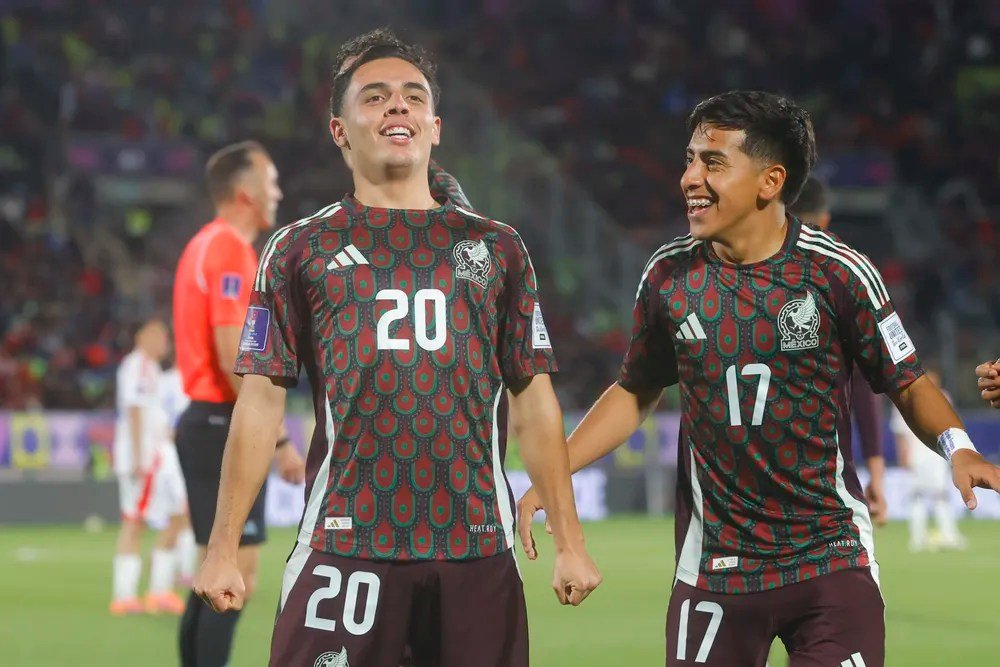
The air is buzzing with anticipation. Mexico's U-20 national team has clinched their ticket to the 2025 FIFA U-20 World Cup, marking a significant return after missing the 2023 edition. For fans eager to know the future stars and the tactical setup, the focus naturally turns to the Plantilla y Jugadores México Sub-20—the squad and the players who will carry the nation's hopes on the global stage. This isn't just about a tournament; it's about the next generation of Mexican football, a proving ground for young talent aiming to break into the senior ranks.
At a Glance: Mexico U-20 Heading into 2025
- Qualified for the 2025 FIFA U-20 World Cup: A crucial return after missing the previous tournament.
- Coach: Eduardo Arce, a young manager with Liga MX experience, appointed in late 2023.
- Key Player to Watch: Gilberto Mora, already with senior national team experience and on the radar of European clubs.
- Group Stage Challenge: Mexico faces a formidable "group of death" against Spain, Brazil, and Morocco.
- Aspirations: To emulate past successes, like the 2011 U-20 podium finish or the U-23 Olympic gold in 2012.
- Significance: A vital stepping stone for developing talent for the senior national team and international club careers.
The Road to the World Cup: Earning Their Place
The journey to the 2025 U-20 World Cup wasn't handed to them; it was earned through a grueling Concacaf Premundial tournament held on home soil. This qualification is more than just a win; it's a statement, a reaffirmation of Mexico's commitment to youth development and a much-needed morale boost after the disappointment of missing out on the 2023 tournament.
Missing a major international youth tournament can be detrimental, creating a gap in experience and exposure for a generation of players. Thus, securing this spot for 2025 is a critical achievement, providing invaluable international competition that accelerates player development and showcases talent to a global audience. The next step is to prepare thoroughly to challenge the world's best. You can keep track of their full schedule, including friendlies and official tournament matches, by following All Mexico U20 matches.
The Man at the Helm: Eduardo Arce's Vision
Leading this promising crop of youngsters is Eduardo Arce. At 36, Arce represents a new generation of coaching talent in Mexican football. He took the reins of the U-20 squad in late 2023, succeeding Carlos Cariño, bringing with him a unique blend of youth and top-flight experience.
Arce's most notable prior role was as head coach of Puebla in Liga MX, his only experience at the helm of a first-division club. His tenure there, though brief (25 matches, 7 wins, 3 draws, 15 losses), provided him with invaluable insights into the pressures and demands of professional football. While his record at Puebla might seem mixed, it forged a coach who understands the intricacies of tactical preparation, man-management under pressure, and the importance of instilling resilience in a squad. For a U-20 team, this experience is golden. It means Arce isn't just a youth development specialist; he's a coach who knows what it takes to perform at the highest level, making him well-suited to guide these young players through the intensity of a World Cup.
His challenge now is to translate that top-flight knowledge into a cohesive, high-performing U-20 unit. He'll need to identify and nurture raw talent, refine tactical approaches, and build a strong team spirit capable of competing against global powerhouses.
The Plantilla: Building the Core Squad
The "plantilla" or squad selection for a U-20 World Cup is a meticulous process. It's not just about picking the best individual talents, but about assembling a balanced team that can execute a tactical vision, adapt to different opponents, and withstand the physical and mental rigors of a tournament. While the final roster for 2025 is still taking shape, we can anticipate the types of players Arce will be looking for.
The Goalkeepers: Last Line of Defense
A strong U-20 team starts from the back. Arce will be looking for goalkeepers who possess not only excellent shot-stopping abilities but also strong command of their area, good distribution skills, and the mental fortitude to perform under pressure. Modern football demands keepers who are comfortable with the ball at their feet, acting as the first point of attack, a trait that will be vital against technically proficient teams like Spain and Brazil.
Defenders: Strength, Skill, and Intelligence
The defensive unit will need a blend of physical presence, tactical intelligence, and technical ability. Central defenders must be strong in the air, astute in their positioning, and capable of playing out from the back. Full-backs, increasingly crucial in modern football, will need to offer both defensive solidity and attacking width, contributing to the build-up play and creating overlaps. Arce's experience with Puebla, a team often relying on defensive organization, suggests he'll prioritize a well-drilled backline.
Midfielders: The Engine Room
This is often where games are won and lost. The midfield "plantilla" will likely feature a mix of defensive anchors, box-to-box dynamos, and creative playmakers.
- Defensive Midfielders: Will be tasked with breaking up play, shielding the defense, and initiating attacks.
- Box-to-Box Midfielders: Need boundless energy, capable of contributing in both defense and attack.
- Attacking Midfielders/Playmakers: The creative spark, tasked with unlocking defenses with incisive passes and dangerous runs. This group will be essential for controlling the tempo and dictating play.
Forwards: Clinical Finishers and Dynamic Attackers
Upfront, Arce will seek a blend of clinical finishers, agile wingers, and powerful target men. The forwards must not only score goals but also press defenders, create space, and link up effectively with the midfield. The ability to switch positions, make intelligent runs, and exploit defensive weaknesses will be key, especially against well-organized European and South American defenses.
Players to Watch: The Rising Stars
While a complete roster is pending, the qualification campaign and ongoing Liga MX youth tournaments give us glimpses of players who are likely to feature prominently. One name, in particular, stands out:
Gilberto Mora: The Flagbearer
Gilberto Mora, a midfielder, is arguably the most recognizable and anticipated name among Mexico's U-20 contingent. His trajectory is already impressive:
- Senior Team Debut: Mora has already made his debut for the senior national team under Javier Aguirre, a significant achievement for a player of his age. This experience alone sets him apart, bringing a level of composure and understanding of international football that few U-20 players possess.
- Championship Experience: He knows what it's like to win among the seniors, indicating a winning mentality that will be crucial for the U-20 squad.
- European Radar: The fact that he's been "in the radar of Real Madrid" speaks volumes about his potential and the level of talent he possesses. Such recognition from a global football giant confirms his exceptional abilities and bright future.
Mora's presence will be vital, not just for his individual skill but also for his leadership. He'll be expected to be the engine in midfield, dictating tempo, breaking up play, and initiating attacks. His experience will serve as an inspiration and a calming influence for his less-experienced teammates.
Beyond Mora, the strength of the Mexican U-20 setup traditionally lies in its deep pool of talent from Liga MX academies. Players from clubs like Club América, Chivas, Pachuca, Santos Laguna, and Atlas regularly produce promising prospects. Keep an eye out for players emerging from these strong youth systems, as they often form the backbone of the national youth teams.
The "Group of Death": A Formidable Challenge
Mexico has been drawn into what many are calling the "group of death" for the 2025 U-20 World Cup. Their opponents? None other than Spain, Brazil, and Morocco. This isn't just a tough draw; it's an ultimate test, offering both immense challenges and incredible opportunities.
- Spain: Renowned for their technical prowess, tactical discipline, and a philosophy forged in the world's top academies. They play a possession-based game with intelligent movement and incisive passing.
- Brazil: The Samba Boys. Always a formidable force in youth football, brimming with individual flair, creativity, and a relentless attacking spirit. Expect dazzling dribbles, powerful shots, and unpredictable play.
- Morocco: A rising force in African football, known for their physicality, tactical awareness, and recent successes at the senior level. They will be disciplined and dangerous on the counter-attack.
This group will demand absolute focus, tactical adaptability, and immense resilience from Arce's squad. Every match will be a final, pushing the young players to their limits. However, competing against such high-caliber opposition is exactly what these players need for their development. It's an unparalleled chance to prove their mettle and gain invaluable experience that will shape their careers.
Tactical Considerations and Playing Style
Eduardo Arce's previous stint with Puebla suggests a coach who values tactical organization. However, with a U-20 team, the emphasis often shifts slightly to developing attacking talent and fostering a proactive playing style. Given the quality of opposition, Mexico might need to adopt a flexible approach:
- Defensive Solidity: Against teams like Spain and Brazil, maintaining a compact defensive shape and disciplined pressing will be crucial to nullify their attacking threats.
- Quick Transitions: Leveraging the pace and skill of Mexican attackers on the counter-attack will be a key strategy. The ability to quickly turn defense into offense can catch stronger teams off guard.
- Midfield Battle: Dominating the midfield, or at least preventing opponents from doing so, will be paramount. This means winning second balls, controlling passing lanes, and having midfielders capable of both breaking up play and distributing effectively.
- Set Pieces: In tight games, set pieces can be a decisive factor. Arce will likely work on both offensive and defensive set-piece routines to maximize their impact.
The ability to switch formations or adapt tactics mid-game will also be a valuable asset, especially in a tournament setting where opponents analyze each other meticulously.
The Significance for Mexican Football
The U-20 World Cup is more than a standalone tournament; it's a vital cog in the machinery of Mexican football development.
Pathway to the Senior National Team
For many of these young players, the U-20 World Cup is the most significant showcase of their careers to date. A strong performance can accelerate their transition from promising youth prospects to established professionals and, ultimately, potential senior national team players. Scouts from Liga MX clubs and international teams will be watching closely, making it a pivotal moment for individual careers. The success of the senior national team, which recently won both the Nations League and the Gold Cup in Concacaf, sets a high bar and provides a clear aspiration for these younger players. They are the future talent pool from which the next generation of senior stars will emerge.
Emulating Past Glories
Mexican youth teams have tasted significant success in the past. The U-20 team achieved a podium finish (third place) in the 2011 FIFA U-20 World Cup, while the U-23 team famously won gold at the London 2012 Olympic Games. These achievements serve as powerful precedents and inspire the current generation. The 2025 squad will undoubtedly be driven by the desire to replicate or even surpass these historic feats, aiming for a strong showing that brings joy to the Mexican faithful.
Developing a Winning Mentality
Competing against the best youth teams globally instills a winning mentality and resilience that is invaluable. It teaches players how to handle pressure, recover from setbacks, and perform consistently at a high level. This experience is critical for their long-term development, shaping them into more complete and mentally tough athletes.
Beyond the Pitch: The Human Element
Behind every "plantilla" is a collection of young men with dreams, aspirations, and challenges. For these U-20 players, the World Cup is a whirlwind of emotions: excitement, nervousness, pride, and the weight of expectation. Many will be away from home, adapting to new cultures, and facing intense scrutiny for the first time on a global stage.
Arce's role extends beyond tactics; he must also be a mentor, a psychologist, and a leader who can foster a cohesive team environment. Building camaraderie, managing expectations, and supporting the players through highs and lows will be crucial for their overall performance and well-being. The ability of the squad to bond and fight for each other will be as important as their individual talents, especially in a challenging group.
Looking Ahead: The Future is Bright
Regardless of the immediate results in the 2025 U-20 World Cup, the qualification itself and the experience of competing at this level are monumental for Mexican football. It reaffirms the strength of its youth development system and provides a platform for its brightest young talents to shine.
The players who make up this Mexico U-20 squad are not just temporary figures; they are the potential core of future senior national teams, the next generation of Liga MX stars, and perhaps even future Mexican legends gracing European pitches. The journey of the "Plantilla y Jugadores México Sub-20" in 2025 will be closely watched, not just for the tournament itself, but for the glimpses it offers into the exciting future of Mexican football.
As the tournament draws closer and the final roster is announced, the excitement will only grow. These young athletes are ready to write their own chapter in Mexican football history.